Lemon Farm: The Sweet, Handwritten Font for Joyful Designs
A Typeface That Feels Like Sunshine
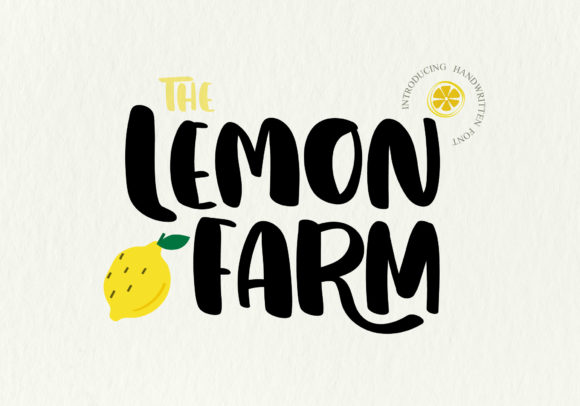
Finding a font that genuinely captures a feeling of fun and happiness is a rare thing. Lemon Farm is a sweet, colorful handwritten font that does exactly that. It’s not trying to be overly sophisticated or minimalist; its personality is right on the surface. The letterforms have a natural, flowing rhythm that mimics actual handwriting, with gentle curves and a slight, charming inconsistency that gives it life. This isn’t a stiff, corporate script. It’s the kind of creative font you’d use to write a cheerful note on a birthday card or a playful title on a child’s drawing. Its appeal lies in its authenticity and warmth, making it an instant mood-lifter for any project it touches.
Where This Handwritten Font Truly Shines
The real-world applications for a typeface like Lemon Farm are surprisingly broad, especially when you understand its strengths. It’s a natural fit for projects aimed at children, families, and education, but its utility extends much further into the realm of brand identity and marketing for brands that want to project approachability and joy.
- Kids & School Projects: This is its sweet spot. Use it for book covers, classroom posters, educational worksheets, and school event flyers. It instantly makes content more engaging and less intimidating for young readers.
- Branding & Packaging Design: For small businesses, especially in the artisanal, bakery, children’s clothing, or toy sectors, Lemon Farm can become a core part of a logo design or packaging system. Imagine it on a jam jar label, a boutique shop sign, or a bakery’s menu board. It communicates handmade quality and care.
- Digital & Social Media: In the fast-paced world of social media, a display font that stops the scroll is invaluable. Lemon Farm is perfect for Instagram story highlights, YouTube thumbnails, blog post titles for lifestyle or parenting content, and email newsletter headers. It adds a personal, human touch that stands out against generic sans serifs.
- Editorial & Publishing: While not suited for body text, it works beautifully for chapter headings, pull quotes, or section titles in magazines, blogs, or editorial design for publications focused on home, craft, or family life.
- Crafts & Personal Projects: For hobbyists and crafters, it’s a gem. Think custom greeting cards, wedding invitations for a casual garden party, scrapbook titles, and printable wall art. Its PUA encoding means accessing all the lovely swashes and ligatures is straightforward, even in basic design software.
Making Lemon Farm Work in Your Design Toolkit
Using a handwritten font effectively is about more than just liking the style. It requires thoughtful application to ensure it enhances, rather than hinders, your message. Here’s how to integrate Lemon Farm with a professional’s eye.
Evaluating Project Fit and Readability
First, assess the tone of your project. Lemon Farm is playful, so it’s ideal for brands or messages that are friendly, casual, optimistic, or nostalgic. It would feel out of place on a law firm’s annual report. For readability, remember it’s a display font. Use it for headlines, subheadings, logos, and short bursts of text. Pair it with a clean, highly legible sans serif font or a simple serif font for body copy. A classic pairing might be Lemon Farm for headings with a font like Open Sans or Lora for paragraphs. This creates a clear visual hierarchy and ensures your message is both charming and easy to read.
Exploring the Included Styles and Glyphs
One of the practical advantages of a premium font like this is the depth of its character set. Because Lemon Farm is PUA encoded, you can access a wealth of alternate characters, ligatures, and swashes. This is crucial for design assets in logos or hero images where you want the text to look unique. Don’t just type out the words; explore the glyphs panel in your design software (like Adobe Illustrator or Photoshop). You might find a more fluid connection between certain letter pairs or a decorative swash on a capital letter that adds that extra bit of personality. This level of detail is what separates a quick project from a polished piece of modern typography.
Font Pairing and Professional Consistency
The key to using a character-rich font is balance. In web design or a full brand system, you wouldn’t use Lemon Farm for every piece of text. Use it strategically as an accent font. For example, in a brand guide, you might specify that Lemon Farm is used only for the primary logo, key marketing headlines, and special call-to-action phrases. This maintains brand consistency and professionalism. For longer text, always choose a complementary workhorse font. A good rule of thumb is to contrast the styles: pair the organic, flowing Lemon Farm with a geometric sans serif or a traditional serif. This contrast makes each font stand out for its intended purpose.
Final Thoughts on This Creative Asset
Lemon Farm is more than just a sweet script font; it’s a versatile tool for injecting warmth and personality into a wide range of creative work. Its strength lies in its ability to evoke emotion and connect on a human level, making it a valuable addition to any designer’s or creator’s library. Whether you’re a marketer crafting a campaign, a small business owner building a brand, or a hobbyist making something special, this typeface offers a straightforward way to brighten up your projects. Just remember to use it thoughtfully, pair it wisely, and let its inherent joyfulness do the talking.