Anybody: A Handwritten Font for Authentic Branding
There's a moment in every design project where you need to choose a typeface that feels both personal and polished. You want something that conveys authenticity without sacrificing legibility, something elegant yet approachable. This is where a font like Anybody enters the conversation. It's not just another script font; it's a carefully crafted tool designed to bring a human touch to your digital and print creations. For anyone building a brand identity, designing a wedding suite, or crafting social media content, understanding what Anybody offers can be the key to unlocking a more refined and emotionally resonant visual language.
The Visual Character and Personality of Anybody
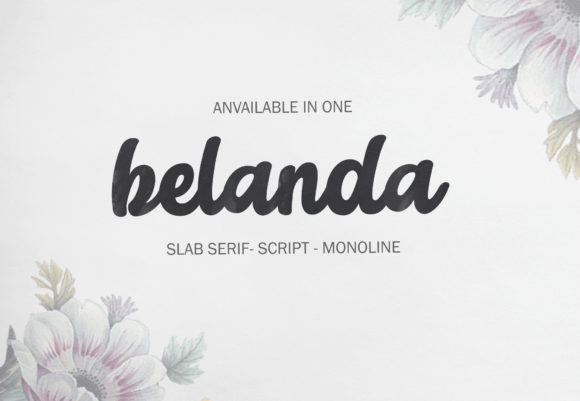
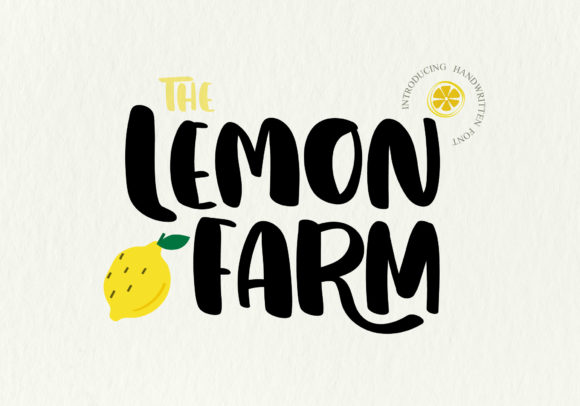
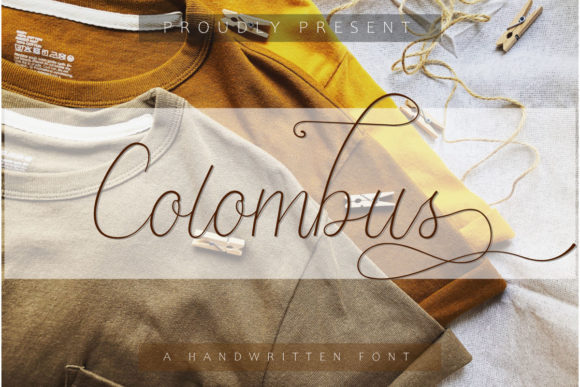
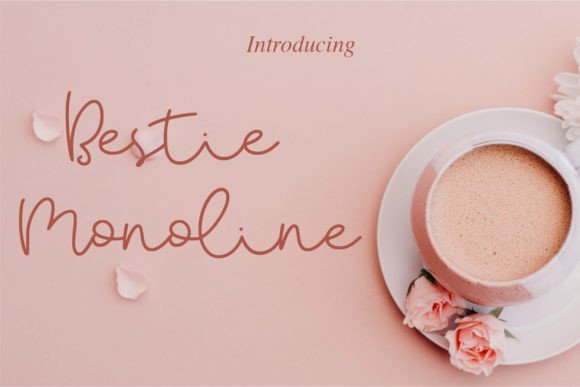
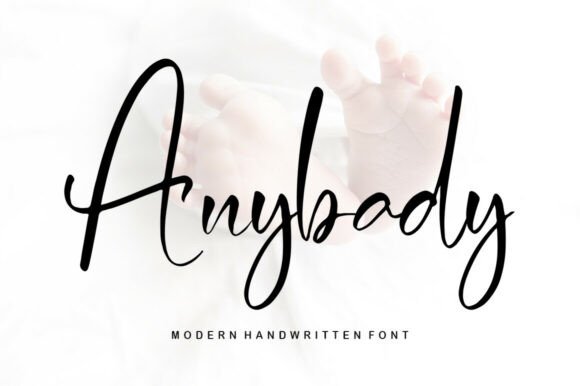
At its core, Anybody is a delicate, flowing handwritten font. But that simple description doesn't do it justice. Look closer, and you'll see its well-balanced characters are the result of intentional design. The letterforms exhibit a gentle, rhythmic flow, with smooth connections and a consistent baseline that prevents it from looking chaotic. It carries a sense of quiet confidence—elegant without being overly formal, personal without being messy. This balance is what makes it a versatile design asset. It avoids the extremes of being too childish or too stuffy, landing in a sweet spot that appeals to a mature audience, from entrepreneurs to publishers.
The personality of Anybody leans towards sophistication and warmth. Imagine the handwriting of someone with a steady, graceful hand. That's the feeling it evokes. This makes it particularly effective for projects where you need to establish trust and a personal connection. It's a creative font that doesn't scream for attention but rather invites the viewer in with its refined subtlety.
Practical Applications: Where Anybody Truly Shines
Knowing a font looks nice is one thing; knowing where to use it is another. Anybody's strength lies in its adaptability across a wide spectrum of projects. It’s not a one-trick pony. Consider these real-world applications:
- Brand Identity and Logo Design: For boutique brands, artisanal products, or lifestyle coaches, Anybody can form the core of a logo. It immediately communicates approachability and craftsmanship. Pair it with a clean sans-serif font for your body copy to maintain readability and modern typography standards.
- Editorial and Publishing Design: In magazines, blogs, or book covers, this typeface works beautifully for pull quotes, chapter titles, or author names. It adds a layer of intimacy to editorial design, breaking up the monotony of standard serif and sans-serif fonts.
- Packaging and Product Design: On labels for cosmetics, gourmet foods, or stationery, Anybody conveys quality and care. It helps products stand out on a shelf by signaling a human-made, premium feel.
- Digital and Web Design: Use it for website headers, call-to-action buttons, or email newsletter graphics. Its flowing nature can guide the eye and add personality to a digital space, though always test its web performance and readability at smaller sizes.
- Social Media Graphics and Marketing: For Instagram stories, Pinterest pins, or promotional flyers, this handwritten font adds a personal, authentic touch. It can make a quote graphic feel more genuine or a sale announcement feel more exclusive.
- Personal Projects and Craft: From wedding invitations and greeting cards to planner stickers and scrapbooking, Anybody is a fantastic choice for hobbyists. It elevates personal projects with a professional, elegant flair.
Making the Choice: A Practical Guide to Using Anybody
Choosing the right font involves more than just liking how it looks. Here’s a practical approach to evaluating if Anybody is the right fit for your project.
First, evaluate the project's tone. Is your brand voice friendly, luxurious, or creative? Anybody leans towards friendly and creative with a touch of luxury. If your project demands a stark, industrial, or ultra-minimalist vibe, it might not be the best primary font. However, even in those cases, it could work as an accent.
Second, test font pairings rigorously. This is crucial. Anybody, as a script font, needs a stable partner. It typically pairs exceptionally well with a serif font for a classic, elegant look or a sans-serif font for a clean, modern contrast. For example, using Anybody for a headline with a font like Lora or Open Sans for body text creates a beautiful and readable hierarchy. Always test the combination in your actual layout.
Third, review the included styles. A quality premium font like Anybody often comes with more than just the regular weight. Look for a bold version for stronger emphasis or an italic for subtle variation. These styles give you more tools to create visual hierarchy within your design without introducing another typeface.
Fourth, consider readability in context. A flowing handwritten font is best used for headlines, logos, and short phrases. Avoid using it for long blocks of body copy. The intricate letterforms can become tiring to read at length. Always print out a test or view it on a mobile screen to check clarity at the intended size.
Finally, understand the licensing. If you're using Anybody for a commercial project—a client's logo, a product for sale, or a monetized blog—you need to ensure you have the proper commercial font license. Using a font without the correct license is a common oversight that can lead to legal issues down the line. Most reputable font foundries offer clear licensing options for personal, commercial, and enterprise use.
In the landscape of modern typography, Anybody holds its own as a reliable and beautiful handwritten font. It’s a design asset that can help bridge the gap between professional polish and personal expression. By thoughtfully applying it and pairing it well, you can create designs that feel both intentional and genuinely human, connecting with your audience on a more personal level. Whether you're a designer, a small business owner, or a passionate crafter, it's a typeface worth exploring for its blend of elegance and approachability.